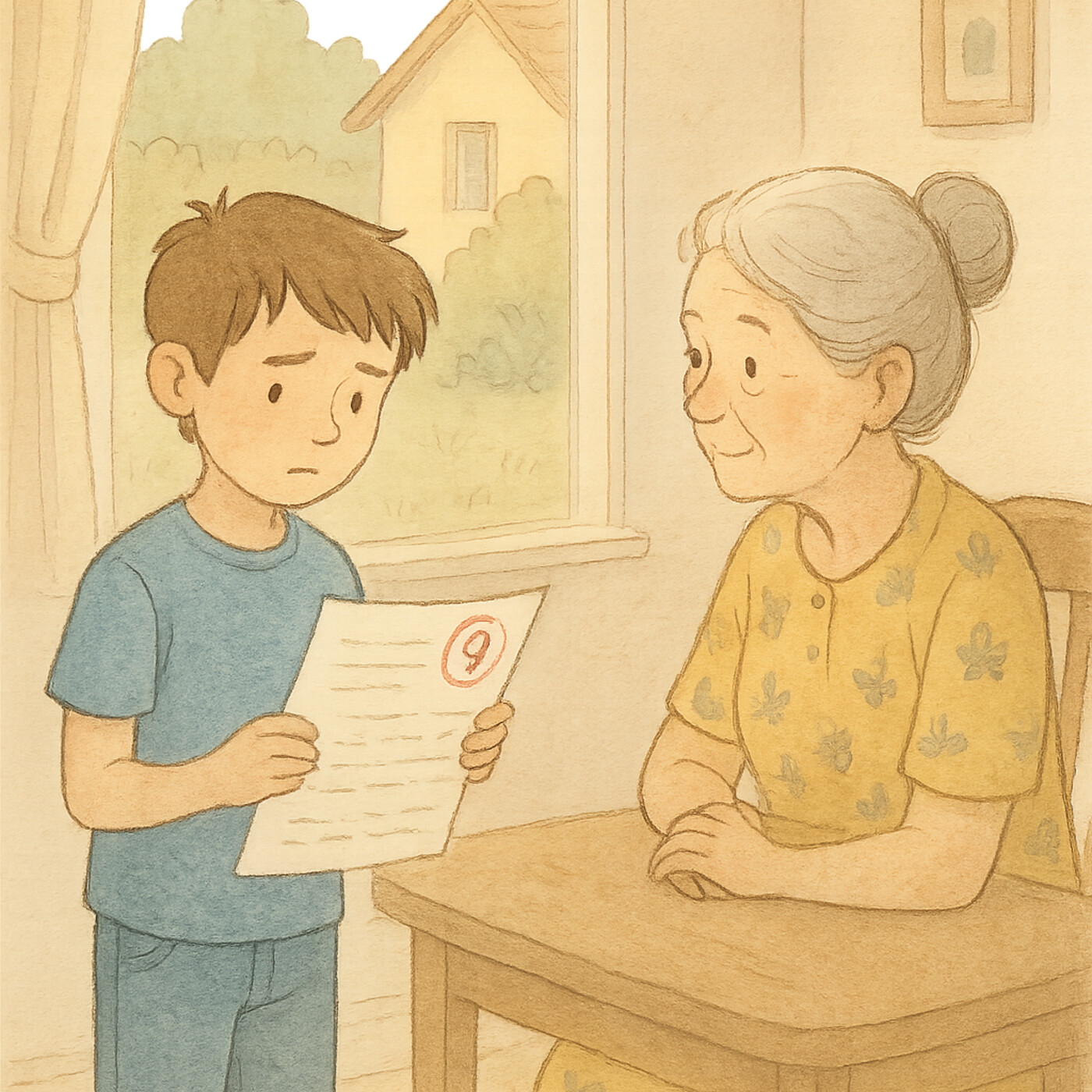
On Friday the test came back. At the top of Sam's page was a number, written in red, with a circle round it.
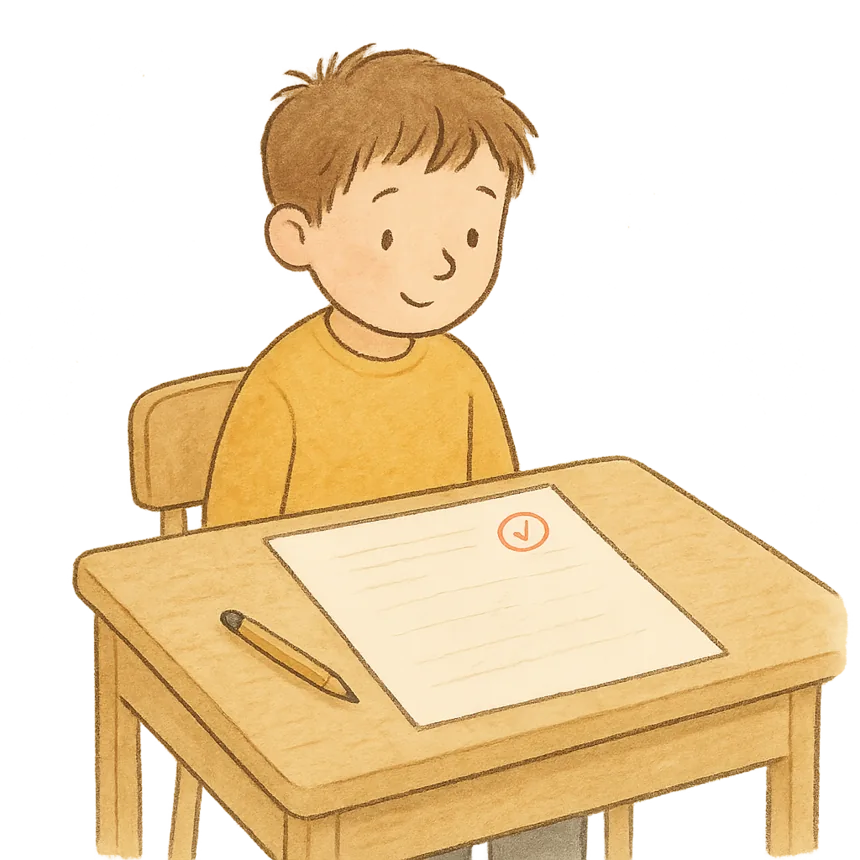
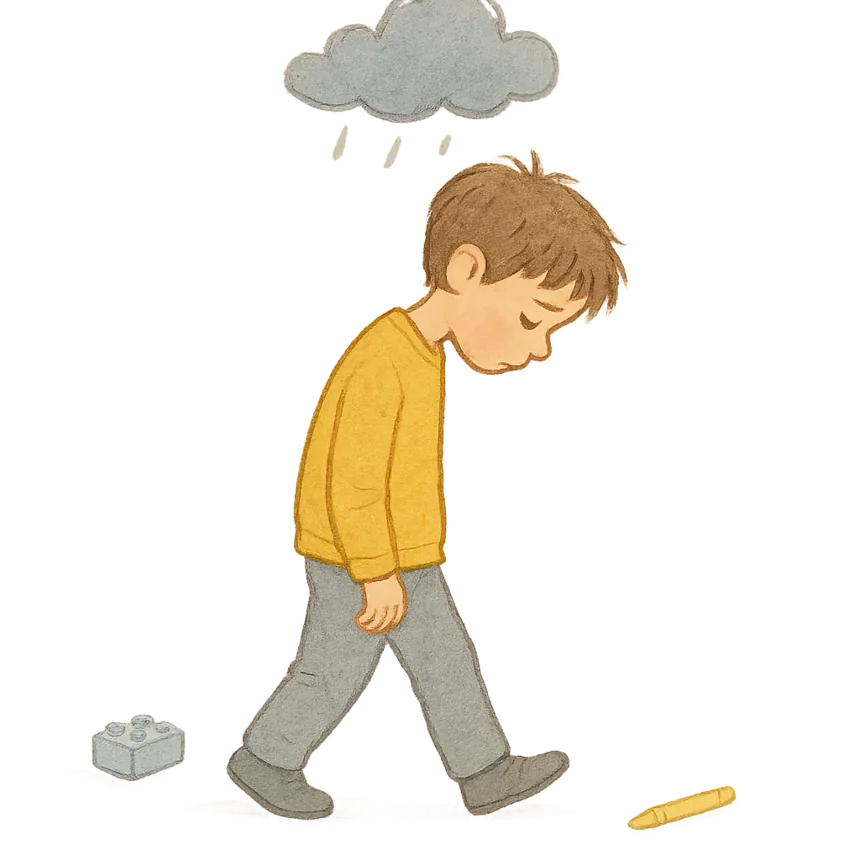
Sam looked at the number for a long time. It was small. And somehow, sitting there in red ink, it seemed to be saying something bigger than maths. It seemed to say: this is how clever you are. This is who you are. All weekend the number followed him about like a little grey cloud.
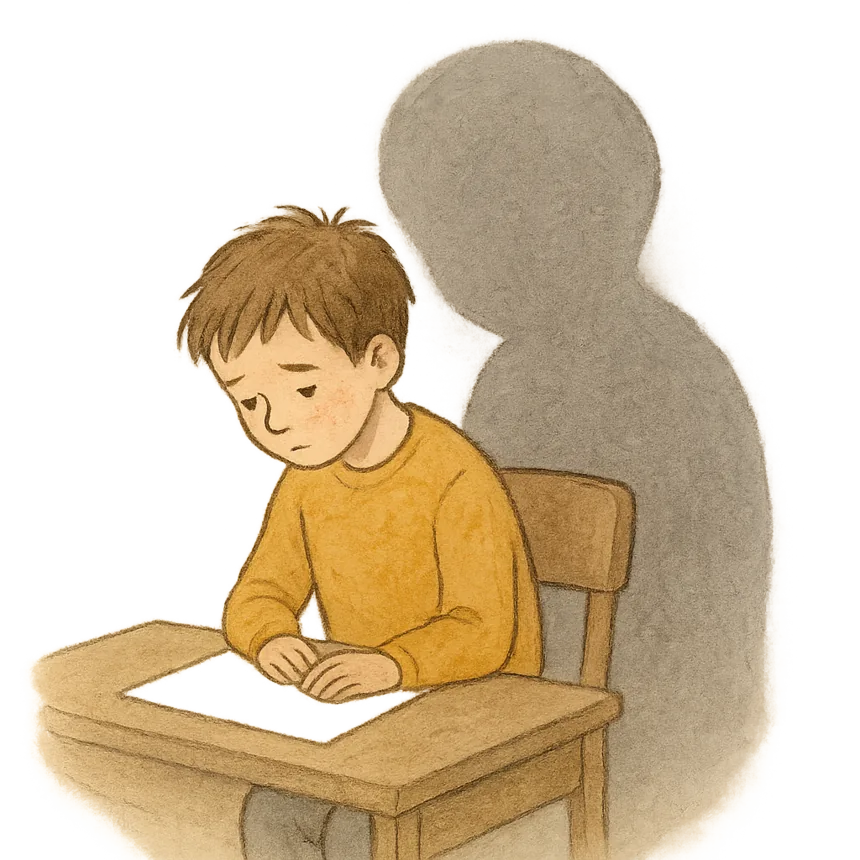
On Saturday he didn't build anything. On Sunday he didn't draw.
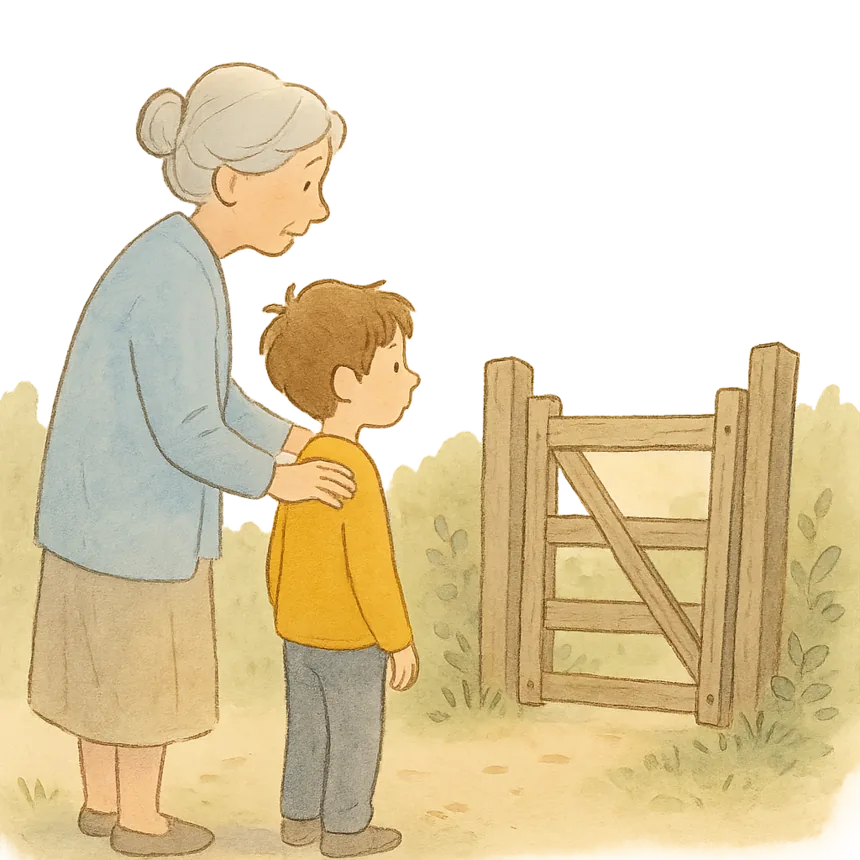
But on Sunday evening his grandmother asked him to help fix the old garden gate, the one that had hung crooked for years. Nobody had managed it.
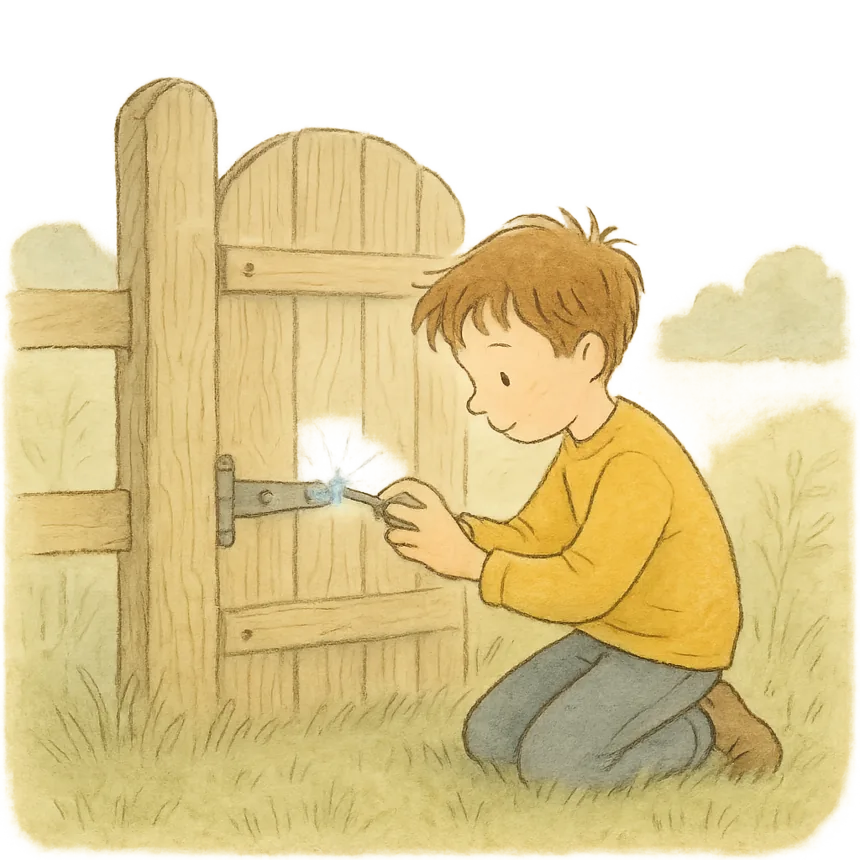
Sam knelt in the wet grass, turned the hinge this way and that, thought about it, tried again — and the gate swung shut with a soft, perfect click.
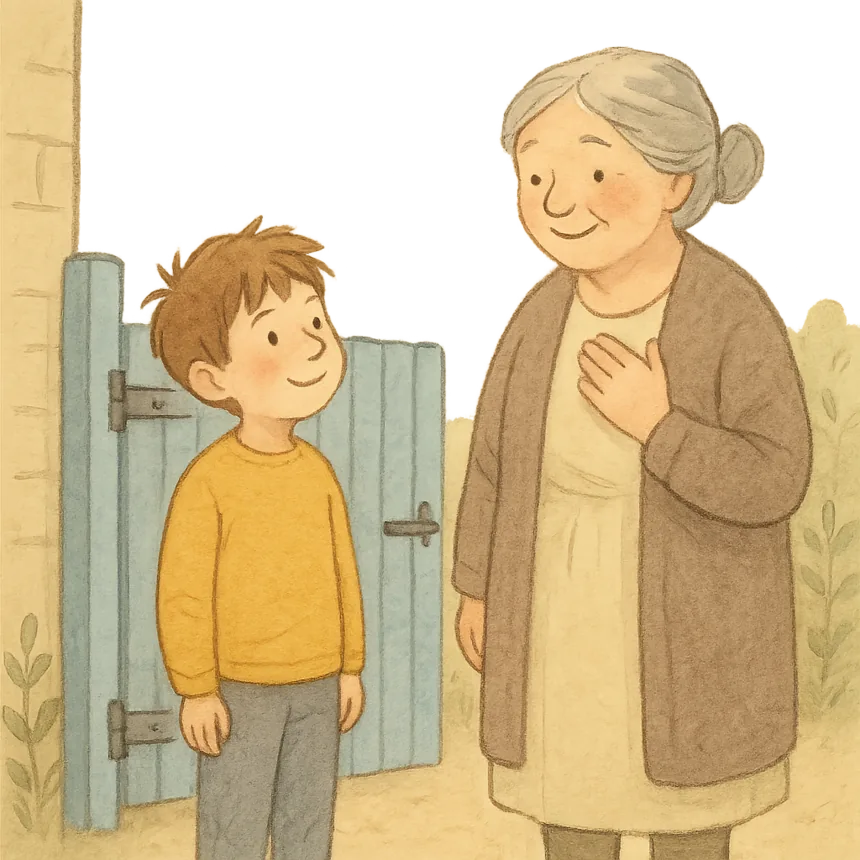
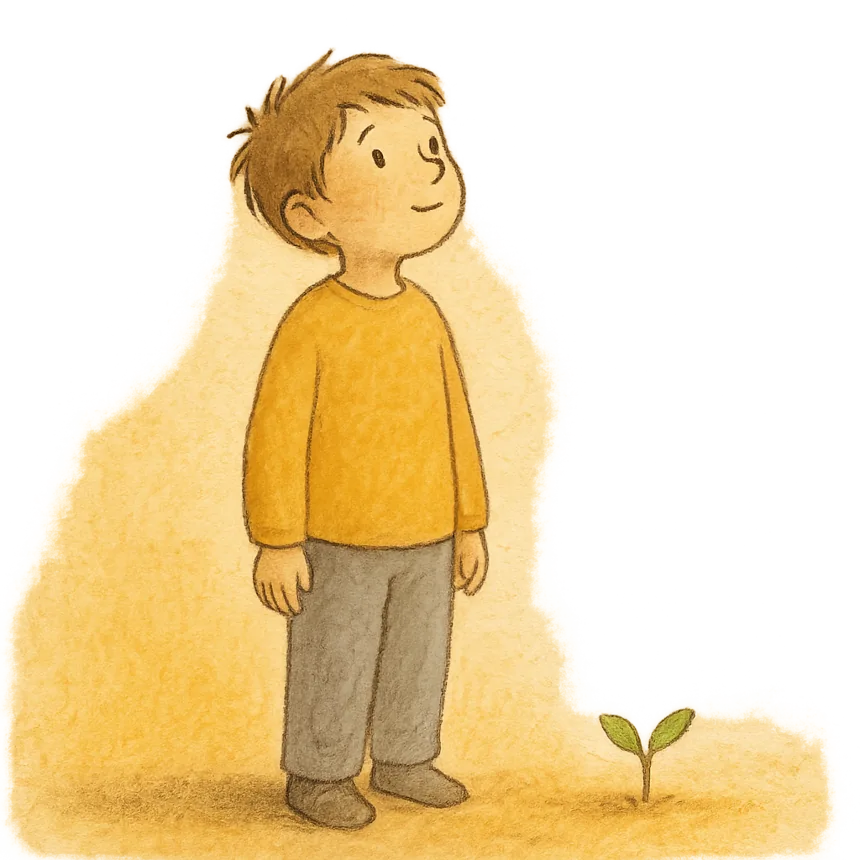
His grandmother didn't clap. She just looked at him and said, quietly, "There's a great deal more to you than anyone has measured yet." Sam thought about the number in red.
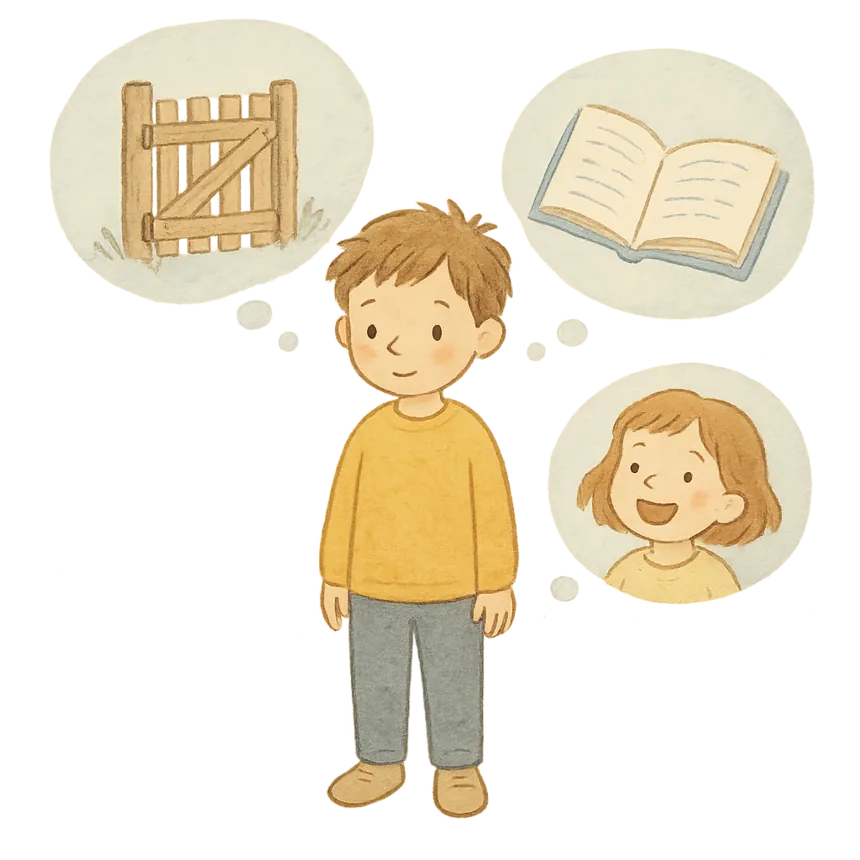
It had told him one small thing about one grey morning. It had not known about the gate. It had not known about the stories in his head, or the way he could make his little sister laugh, or all the things he hadn't even tried yet.
A number can tell you how a test went. It can never tell you who you are.
A wonder to try: think of one thing you can do that no test at school has ever asked about. That counts too.
