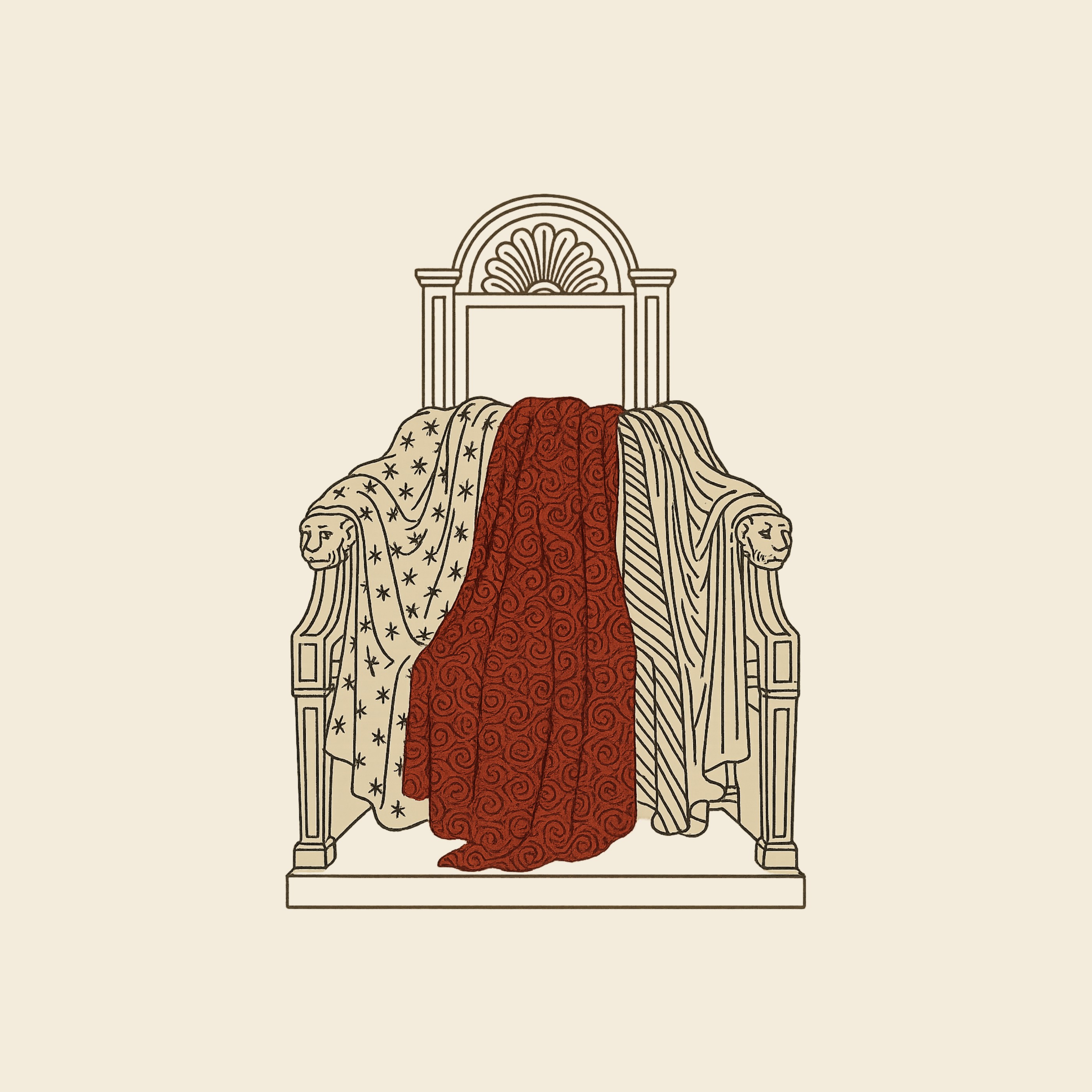
“Thrones of the Invisible” does not end with a complaint. It ends with a choice about perception. In its forward-looking final chapters, the book sets two ways of regarding
When I began this journey, I thought I was trying to understand history. In truth, I was trying to understand ordinary rooms. A classroom with a red mark…
At the end of the previous chapter, one question remained quiet and insistent: what, together, will we place in the highest place next? When I arrive at…
There are evenings that seem too modest to belong to history. I think of a narrow street giving itself over to dusk: the last errands, the scrape of bins,…
After the last chapter’s questions about children’s invisible wounds, I find myself returning to something even more basic: how schools learn to see the…
If the previous chapter followed the child into the age of dashboards, profiles, and warning scores, this one follows the same child into another room:…
If the previous chapter lingered over the power of labels and expectations, this one begins where those forces now often gather: on the glowing screen a…